
What Is Super 8 Wedding Videography?
Couples often ask whether we can capture part of the day on Super 8. They are usually drawn to the warmth and softness they have seen in film clips, but they also want to know what they are actually getting. Super 8 wedding videography is real motion-picture film, not a grain filter added to digital footage after the fact.
Kodak introduced Super 8 in 1965 as a compact, easy-to-load format for home movies. Today, its physical qualities are exactly why it appeals to couples: film reacts to light, color, and movement in a way that is less polished than digital and often more emotional. It is normally shot at 18 frames per second, giving movement a gentle, slightly dreamlike cadence. A cartridge records roughly three and a half minutes, so Super 8 coverage is planned around meaningful moments instead of recording continuously all day.
What makes real Super 8 look different
The first thing people notice is the grain. It is part of the film stock itself, not a preset. Colors often feel warmer and a touch faded, whites can look creamier, and the image has a soft edge rather than ultra-sharp digital detail. Those traits give footage a lived-in quality that many couples describe as a memory rather than a production.
You may also see subtle light leaks, small changes in exposure, or a little variation from one frame to the next. They are not mistakes to be corrected out of the film. They are part of the medium. No two rolls respond in exactly the same way, which is why real Super 8 never looks copied and pasted from another wedding.
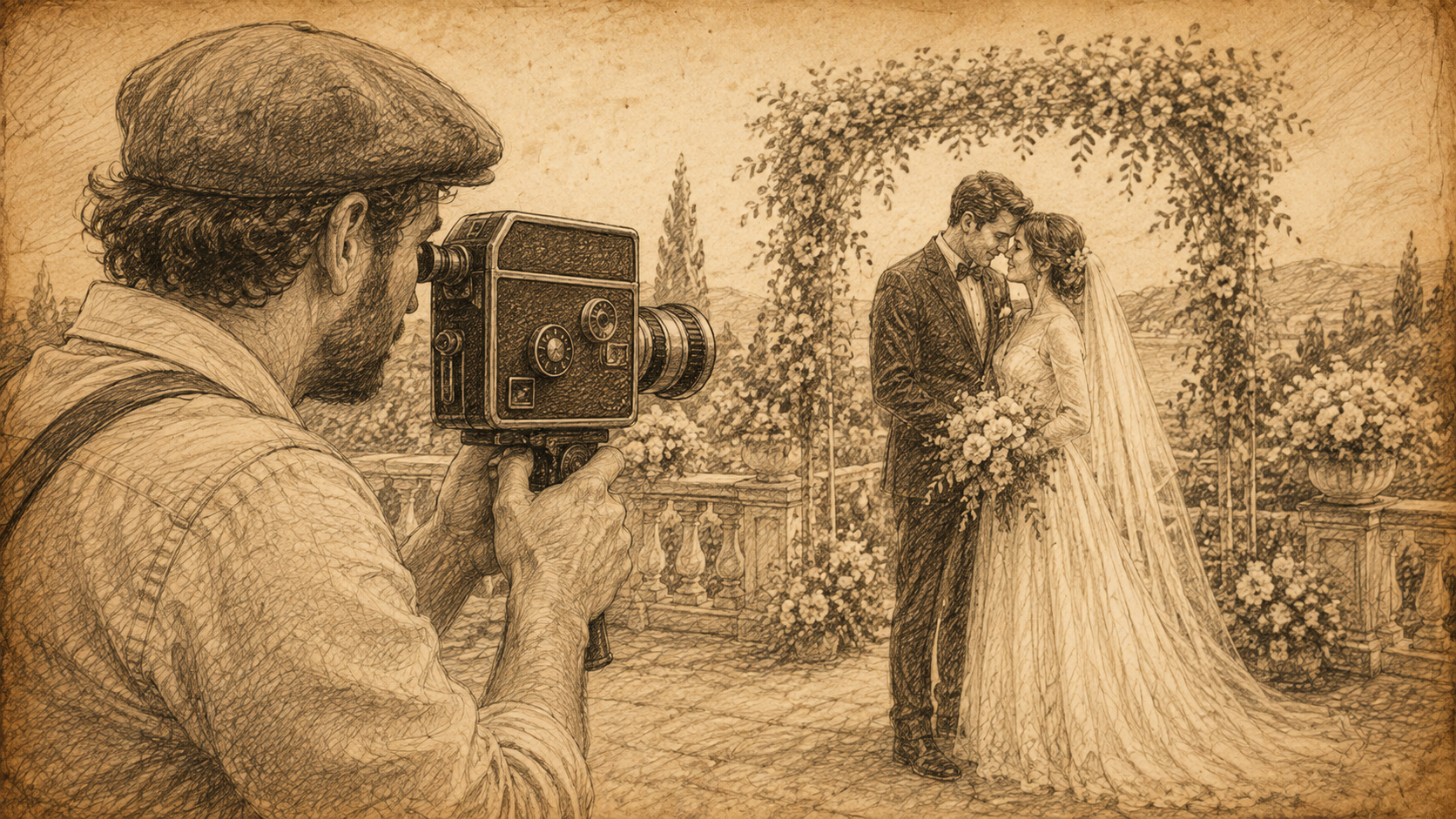
How Super 8 fits into a wedding film
Super 8 is strongest when it is used selectively. Getting ready by a window, a first look, a walk outside, cocktail hour, golden-hour portraits, and a busy dance floor are all moments where it can add a beautiful layer of movement and atmosphere. It is less suited to filming a full ceremony, every toast, or a very dark reception on its own.
That is why most couples choose a hybrid approach. Digital cameras cover the full ceremony, speeches, first dance, and important audio with clarity and consistency. Super 8 is then woven into the final edit for the moments that benefit from texture, spontaneity, and feeling. The two formats do different jobs, and together they tell a more complete story.
Real film or a digital filter
A digital editor can create a film-inspired look with grain overlays, color shifts, and simulated light leaks. That can be a smart option for couples who love the style but want a fully digital workflow. It is also worth knowing that a digital effect and real film are not the same thing.
Actual Super 8 grain shifts naturally from frame to frame, and the film stock responds to daylight, indoor light, and sunsets in its own unpredictable way. If the distinction matters to you, ask the videographer directly whether they shoot real Super 8 film stock or create the look in post-production. Either choice can be beautiful; the important part is knowing which one is included in your collection.
Cost and turnaround time
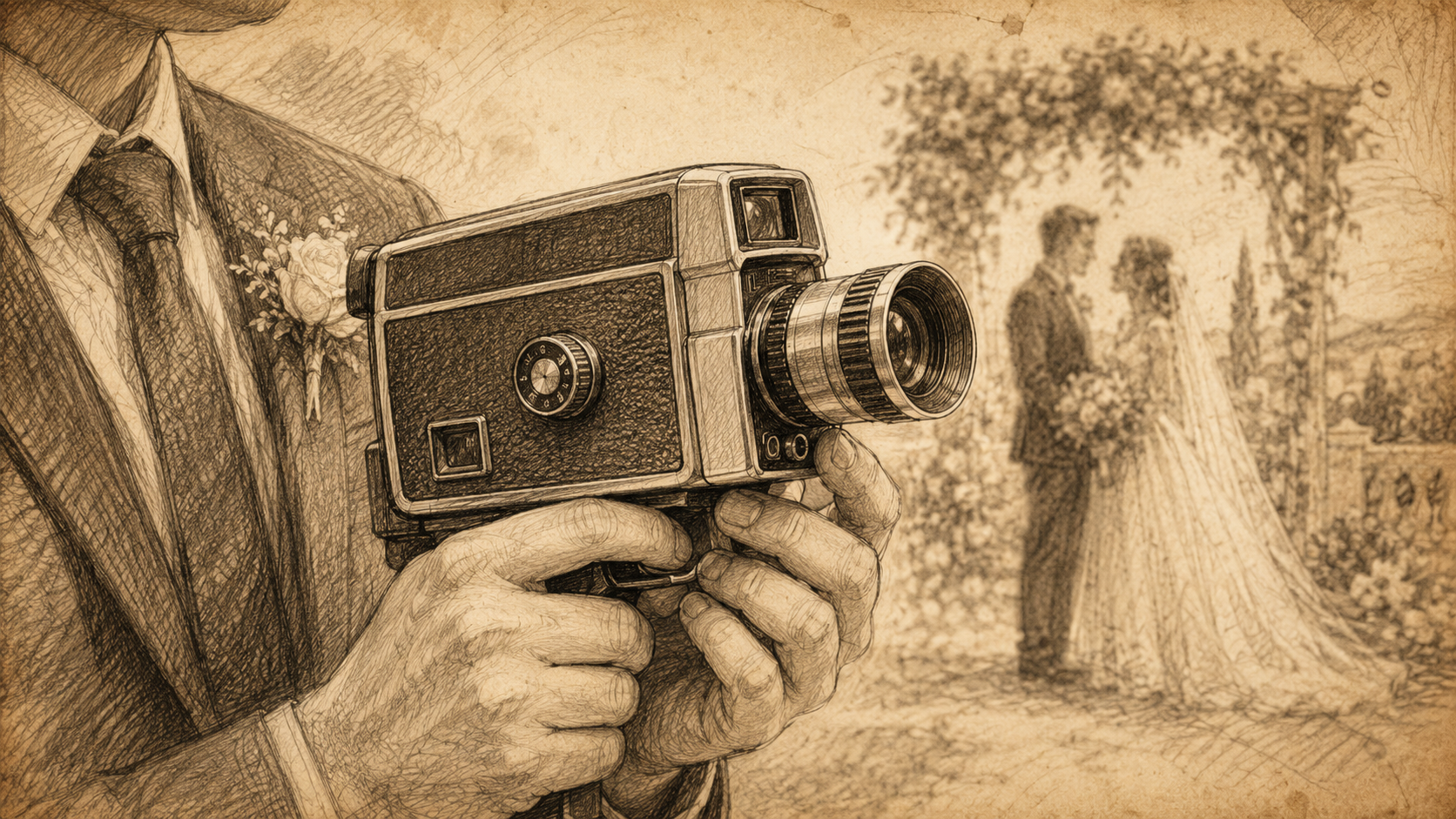
Super 8 is usually priced as an add-on to digital coverage because the cost includes the camera work, film stock, lab development, high-resolution scanning, and time to edit the footage into the final film. In the NYC and New Jersey market, a true Super 8 add-on is commonly budgeted around $800 to $1,500, depending on the number of cartridges and coverage time. A larger hybrid package can fall around $3,500 to $6,000 or more, depending on the team, event length, and deliverables. Your proposal should spell out what is included rather than leaving you to guess.
Real film also needs to be developed and scanned before editing can begin. That can add a few weeks to the post-wedding timeline, so ask about delivery timing early if you are hoping to share your film by a particular date. The extra process is part of why Super 8 feels different from an instant digital filter: it is a physical format with a real production path behind it.
Is Super 8 right for your wedding
Super 8 tends to be a good fit for couples who love analog photography, vintage style, natural light, and a little imperfection. It works especially well at garden, waterfront, city, estate, and outdoor weddings where there is movement, texture, and room for the film to breathe. You should enjoy the character of real film rather than expect every frame to look clinically sharp.
It may not be the right choice as your only video format if complete coverage, clear ceremony audio, dark reception scenes, or a tight delivery timeline are your highest priorities. For most couples, the best answer is not Super 8 versus digital. It is digital coverage for the full record of the day, with Super 8 added where it will make the film feel more personal.
Super 8 wedding videography in NYC and New Jersey
New York City, Long Island, the Hudson Valley, and New Jersey give Super 8 plenty to work with: window light in a hotel suite, a Brooklyn street between events, an estate lawn, a waterfront view, or a crowded ballroom after the music starts. We plan the film moments around your venue and timeline so the format supports the day instead of creating another thing to manage.
At Visualize Media, our hybrid wedding-film coverage combines digital cinema with Super 8 in a deliberate way. We coordinate the film processing and scanning, then edit the finished footage into the larger story so it feels intentional from the first scene to the last. The best way to decide if it is right for you is to watch real examples from weddings with a similar setting, schedule, and energy to yours.
Continue planning
For next steps, explore our guide to cinematic wedding videography, compare Super 8 with digital wedding films, and use our golden-hour guide when building your timeline. If you are planning a wedding in NYC or New Jersey, tell us about your date and venue and we can talk through whether real Super 8, a digital film-inspired look, or a blend of both fits the way you want to remember the day.
Related reading
What Is Cinematic Wedding Videography? (/blog/what-is-cinematic-wedding-videography)
Super 8 vs Digital Wedding Films Which Style Is Right for You (/blog/super-8-vs-digital-wedding-films)
Golden Hour Wedding Guide for NYC and NJ Couples (/blog/golden-hour-wedding-guide-nyc-nj)